Commercial refrigerating systems are devices used by businesses that deal with products that have a short lifespan. These Master coolers give optimal temperatures that are needed to maintain the foods in good quality and at safety levels. When it comes to the grocery houses, cafes, and warehouses, the effectiveness of work and client satisfaction depend on a right choice of the refrigeration solution.
The difference between induction refrigeration and household refrigeration is quite high as far as the capacity, durability and efficiency is concerned. The systems are in operation in the harsh environment all the time and also they are able to maintain proper control of the temperatures. It is justifiable to spend money on quality commercial refrigeration since one saves money when it comes to uneaten contents, created with the improved appearance, or against health regulations.
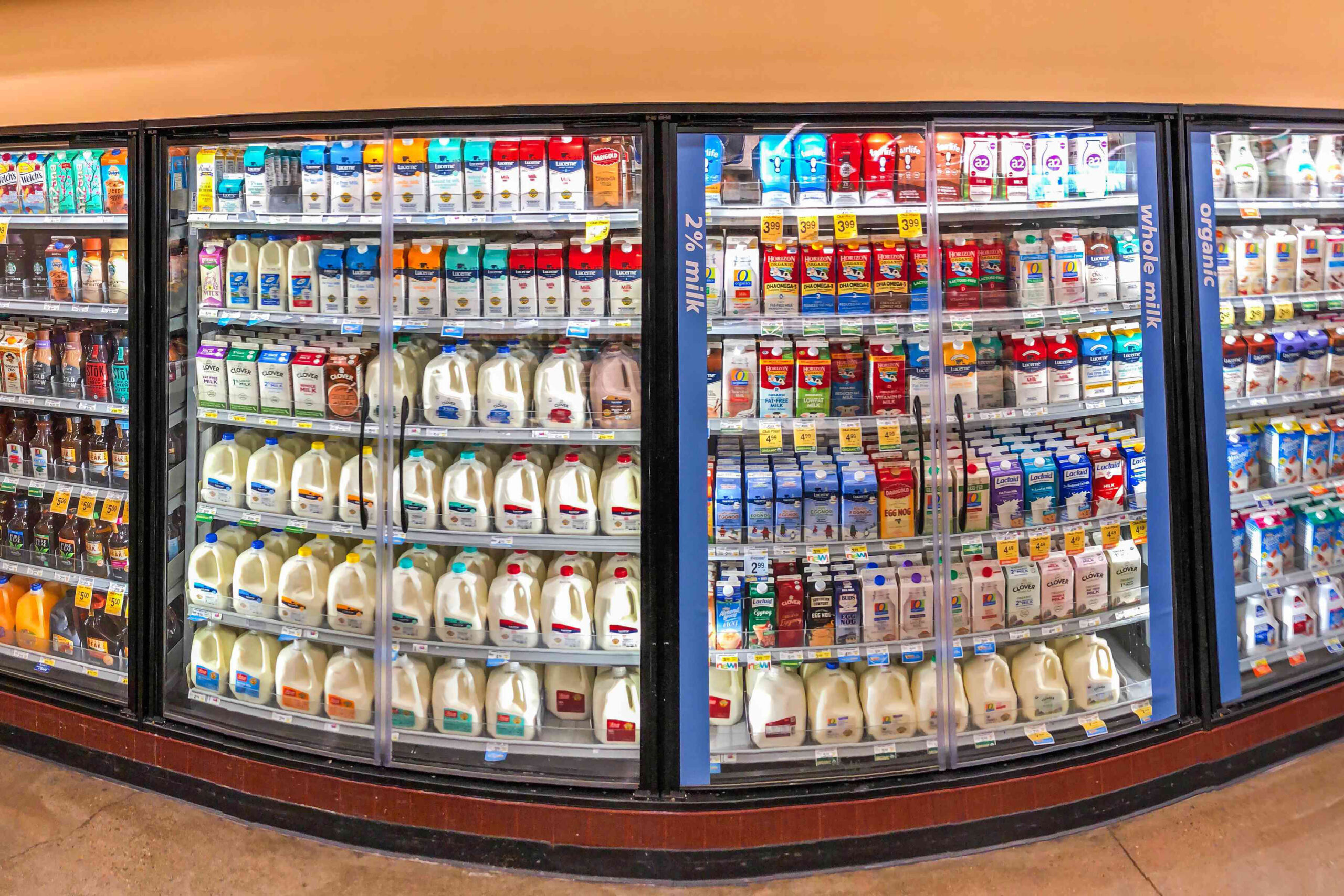
Grocery Store Refrigeration Solutions
The grocery stores need a variety of refrigeration types in order to suit different types of products as well as accessibility by customers.
Display Refrigerators
The display refrigerators offer storage and good presentation of the products. Such units are fitted with glass doors or open front because they enable customers to see products easily. Multi-deck showcases will make the best use of space and still provide a great deal of visibility to dairy products, drinks and vegetables.
Walk-in Coolers and Freezers
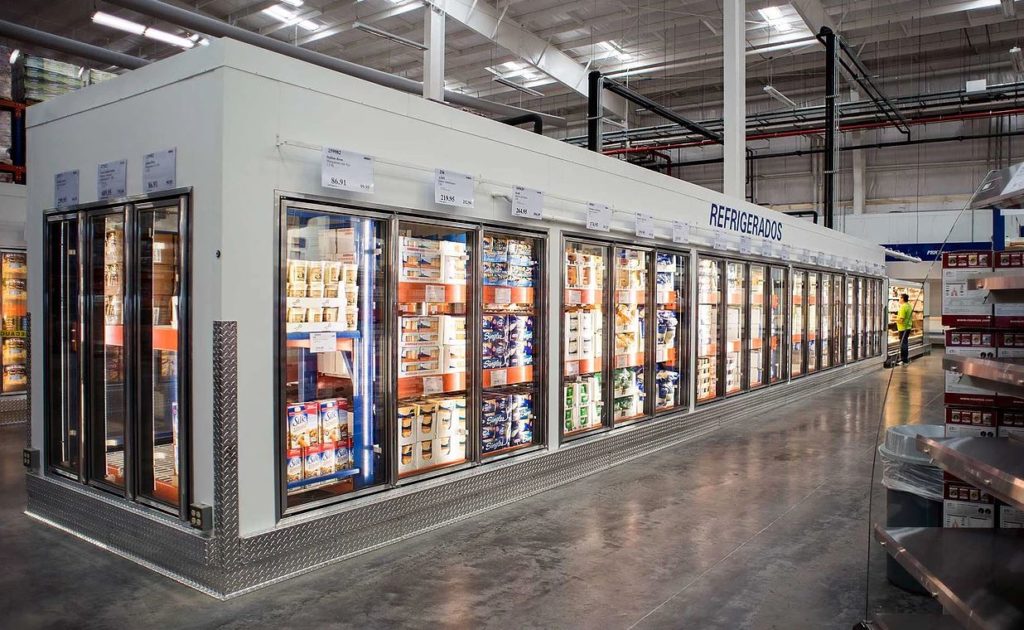
Walk in gives a lot of space in terms of bulk inventory storage. The rooms are also kept at uniform temperatures even when large stocks are involved. Walk-in coolers normally range between 0°C to 4°C and are ideal when handling fresh products and dairy products. Frozen goods can reside via walk-in freezers, whose temperature is less than -18°C.
Cafe Refrigeration Systems
Cafes need compact, efficient refrigeration solutions that fit limited space whilst maintaining quick access to ingredients.
Reach-in Refrigerators
Reach-in refrigerators are highly accessible to quick cafe set-ups. They are these upright cabinets with several shelves and easy access doors. Ingredients can be taken out in minutes, and this does not cog part of the workflow. A lot of models are equipped with glass doors to see the inventory.
Under-counter Units
The under-counter refrigerators will make the best use of space in a kitchen where room is found to be very limited. Since they are made in compact sizes, they can be fitted underneath prep counters to provide convenient cold storage with zero loss of floorspace. They are perfect to keep items that they use all the time such as milk, cream and sandwich materials.
Display Cases
Pastries, sandwiches and beverages are displayed with the help of cafe display cases. These shelf units promote spontaneous shopping and freshness of the products. There are curved glass fronts and interior lighting that create the visual appeal and presentation of products.
Warehouse Refrigeration Systems
Warehouses require robust, large-scale refrigeration solutions for bulk storage and distribution operations.
Industrial Refrigeration Systems
Industrial systems are capable of effective storage volumes that are massive. They are designed solutions that keep very specific temperatures in large warehouse environments. There are also multiple evaporators and complex controls in place that ensure that there is a uniform cooling in the facility.
Large-scale Freezers
Warehouse freezers are able to fit palletised goods and bulk storage needs. Such systems are low temperature storage systems with long duration. Powerful compressors and advanced insulated equipment make sure that there is energy efficiency in dealing with the constant operation.
Benefits of Proper Commercial Refrigeration
Quality refrigerating systems have a number of operating advantages. This is because of the uniformity in temperature, which makes it possible to meet compliance in food safety. Reduction in the quantity of spilt goods that end up going to waste means more profit. The quality of the products is also provided and the customers are more satisfied and the brand image is built up.
Energy efficient systems reduce the operation expense. New developments in refrigerators are the presence of highly insulated refrigerators and compressors that are variable in their speed. Such features minimize the electronic energy consumption, yet maintain the highest level of performance.
Choosing the Right Refrigeration Option
There are a number of things that can be put into consideration in the choice of a refrigerator system. Unit sizes and configurations must be pegged on available space. Long-term impact on the cost of operation can be produced by the energy efficiency ratings. Special storage conditions are formulated providing temperature and the capacity requirement.
In the selection of equipment take into account the nature of maintenance and availability of the services. More local service support and warranty of trusted brands are also available. The long-term benefits of operation and savings in costs of energy should be taken into consideration against costs of the first year.
Conclusion
The choice of commercial refrigerating systems has to be carefully made with consideration of your own business requirements. Whether you manage a grocery shop, cafeteria, or warehouse, the proper equipment guarantees the safety of food, waste reduction, and greater efficiency of operations. Make great investments in quality systems that will provide quality performance and be worth much in the long run.
FAQs
What are the main points to take into consideration in the selection of commercial refrigeration?
Space, storage capacity, energy efficiency rating, and particular temperature needs should be taken into account. Consider the cost of maintenance, the warranty and the servicing facilities available. Trade the initial investment with the long-term benefits of operation and energy savings.
What can I do to increase the energy efficiency of my refrigeration system?
An efficient maintenance increases with regular checks. Monthly cleaning of condenser coils and regular check-ups of door seals. Units must not be overloaded and the air circulation must be fine. It is worth a higher investment into energy-efficient models using variable-speed compressors and better insulation.
What should be done to perform maintenance on the commercial refrigerators?
To keep the optimum performance, schedule professional servicing after every six months. Clogged condenser coils, refrigerant, and door seals should be checked regularly. A monitor temperature setting and defrost systems. Maintain comprehensive records of maintenance to ensure warranty compliance.