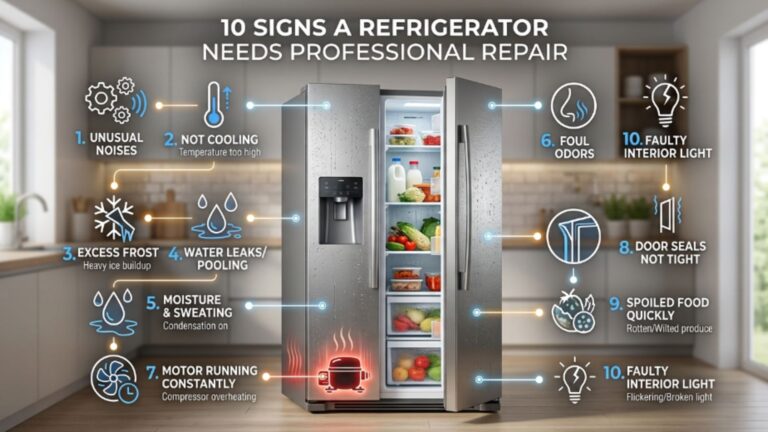
There’s a particular kind of dread that comes with opening the refrigerator door and feeling warm air where cold air should be. It’s not often that it blows. In almost all of the service calls we perform, the refrigerator was already suffering for days, or even weeks, before it stopped cooling altogether; it just wasn’t so apparent.
Knowing the reasons behind the refrigerator losing its refrigerating power, and which of those is applicable to your refrigerator problem can mean the difference between repairing it on the same day and having a kitchen full of spoiled food. There are some causes that you can determine within a few minutes. Others need an experienced technician equipped with the proper tools and diagnostic know-how. This guide walks through the most common reasons refrigerators stop cooling properly, in the order we typically rule them out on a service call.
Start With the Basics Before Assuming the Worst
But don’t immediately suspect that the compressor has failed or the refrigerant is leaking, since the easiest problems are the most frequent ones, and they’re easy and free to check.
Make sure the unit is powering on, and the thermostat or temperature control hasn’t been accidentally turned to a higher setting as it often does in families with children or open kitchen areas. Make sure that nothing is blocking the vents inside the fridge as the package may be pushed too far back or too close together to allow cold air to flow the way the fridge is designed. These checks will only take a few minutes and sometimes the problem may be solved without doing anything else, but if the fridge is still warm afterwards, the problem is almost certainly mechanical.
Dirty or Blocked Condenser Coils
The short answer: dust-covered condenser coils are one of the single most common reasons a refrigerator loses cooling power, and one of the easiest to fix.
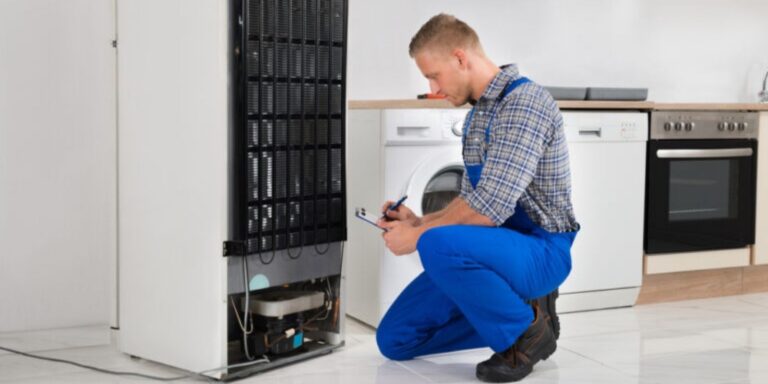
The condenser coils, which are typically found on the back or bottom of the refrigerator, dissipate heat that is removed from the interior of the refrigerator. Covered with dust, pet hair or debris, they are unable to disperse heat effectively, forcing the compressor to work longer and harder to keep the internal temperature the same. This additional stress over time not only decreases cooling performance but also significantly decreases the compressor’s life.
One of the easiest things a homeowner can do is vacuum the coils every six months and that is often all that is needed to solve mild cooling problems without any repairs needed. If the coils are clean and the fridge still has a hard time cooling, then something else is at fault.
A Failing or Overworked Compressor
The compressor is the center of the cooling system. It pumps refrigerant through the coils, and it’s the refrigerant that cools the refrigerator’s interior. As a compressor begins to deteriorate, cooling may vary from day to day, sometimes it’s cooling, sometimes it’s not, and often makes noises that didn’t exist before, such as humming, buzzing or clicking.
Compressor problems are far from something you can handle on your own. Typically, they are a result of electrical issues, old internal parts or years of wear and tear from the other issues on this list, such as dirty coils or low refrigerant, that were never corrected. A technician will be able to directly test the compressor to see if it is the compressor itself or if there is something else causing it to work overtime.
Low or Leaking Refrigerant
The substance that absorbs and releases heat during the cycles through the system is the refrigerant. Refrigerant in a refrigerator is not like the coolant in a car, it can not be used up. When levels are low, it almost always “means there’s a leak somewhere in the system, which won’t correct itself and will continue to deteriorate until it’s fixed.
One of the most common signs of a refrigerant leak is an inconsistently cooling refrigerator or a refrigerator that is cooling the top shelf but not the bottom; this is because the refrigerant is not flowing evenly throughout the refrigerator. This type of repair requires special equipment to find the leak and to recharge the system afterwards and is not something that should be attempted at home, given the necessary equipment and certification for handling refrigerant safely and legally.
A Malfunctioning Door Seal
The rubber seal lining the inside edge of the refrigerator door is the door gasket that keeps the cold air in and the warm air out. If it cracks, lofts or doesn’t seal tightly, warm air continues to leak in, which causes the compressor to constantly attempt to make up for the warm air it is constantly losing.
A quick trick to test the seal yourself is to place a dollar bill (or paper) halfway in and halfway out the door. If it comes out with little to no effort, it means the seal isn’t working properly. This is a more affordable repair on this list, and another very frequently overlooked repair, because a worn gasket is not going to be drastically different than a healthy one at a fleeting glance.
A Faulty Evaporator Fan
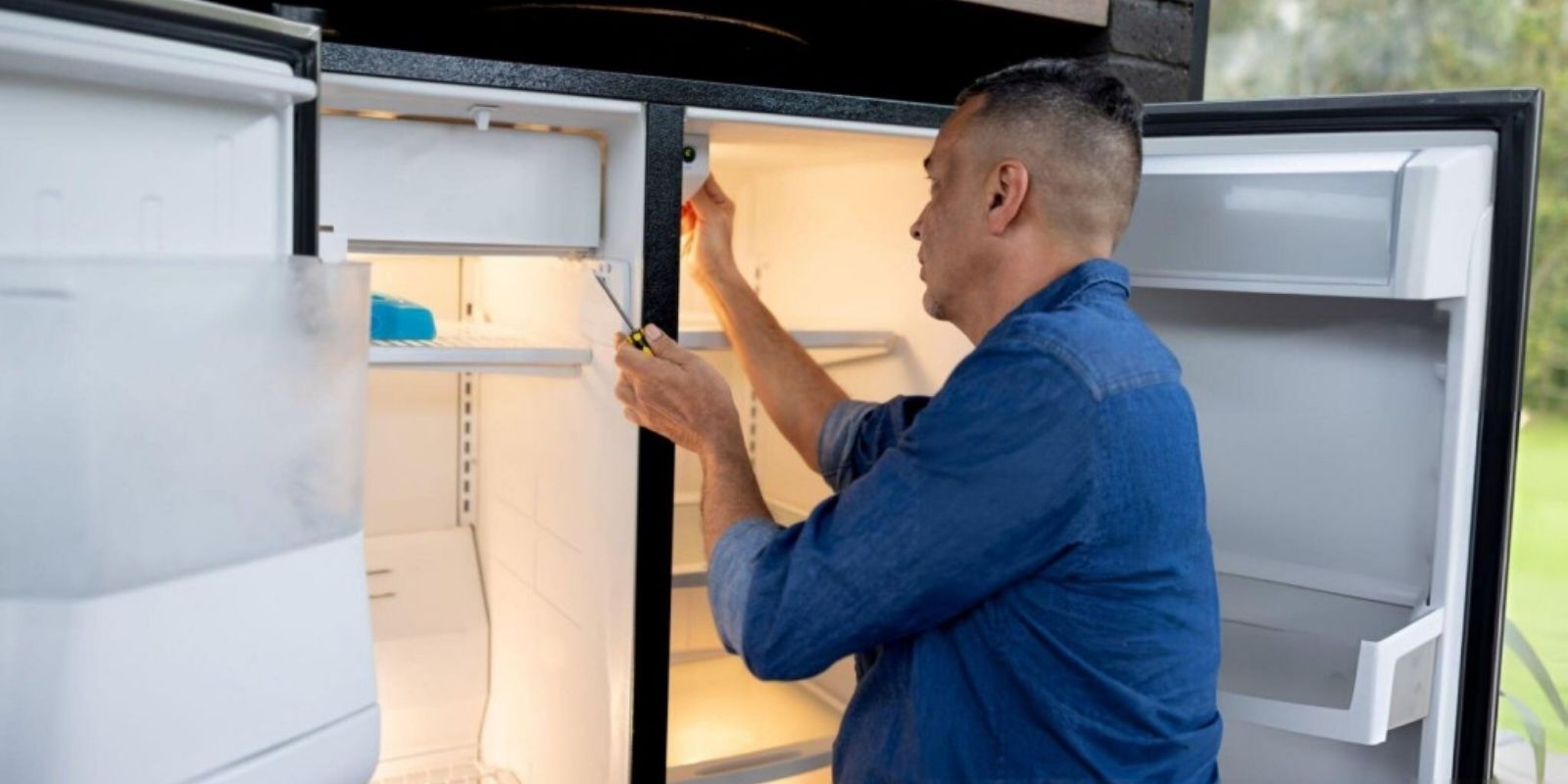
The evaporator fan is within the freezer compartment and is used to circulate the cold air into the freezer and refrigerator sections. If it should break or if the fan is clogged with ice, the cold air will no longer circulate between the various compartments and the refrigerator may stay cold but the freezer section will start to warm up.
When the evaporator fan fails, it will sometimes be accompanied by a rattling or whirring sound emanating from the freezer, especially when the freezer door is shut and the fan is working. If not corrected, this imbalance in cooling will cause spoilage to occur in the refrigerator portion even though the freezer part seems to be working well, making this a frequently misdiagnosed problem.
Problems With the Defrost System
Refrigerators have an automatic defrost system that allows it to defrost the evaporator coils, ensuring they are free of ice so air can flow around them. The defrost timer, heater or thermostat can malfunction and cause ice to build up on the coils, reducing the flow of cold air to the rest of the unit.
This is a frequent reason for a freezer that seems to be completely frozen, yet the refrigerator is warm because the coils in the freezer are frozen and can no longer remove heat. The tendency of the ice to continue to grow without stopping makes it easier to diagnose and fix the situation before it becomes a completely iced over system.
Thermostat and Control Board Issues
All refrigerators use a thermostat or electronic control board to maintain the proper temperature and indicate to the compressor, fans and defrost system when to come on. When this element goes bad, the remainder of the fridge’s mechanism is able to operate normally and the fridge will still not cool, because the other parts that actually cool the fridge are not told to do so.
Without testing equipment, this type of failure may be more difficult to diagnose as the symptoms are similar to those of a failing compressor or fan. The control components can also be tested by a technician so that if the compressor is broken, they can be replaced, but if it turns out to be a faulty control board, which is significantly cheaper, then the technician won’t have to replace the compressor.
Why Diagnosing the Real Cause Matters
When a fridge ceases to cool, it’s tempting to presume the worst and replace the entire refrigeration unit, instead of finding out what the problem is. We have found that many refrigerators that are brought in for a “compressor failure” have a much simpler and less expensive problem, usually dirty coils, a worn seal or a faulty fan, much less expensive than a replacement compressor or a unit change out.
An accurate diagnosis will also keep you from having to pay to repair the wrong part. If it is actually airflow blockage caused by a failing evaporator fan, replacing the compressor will NOT resolve the issue and will represent an unnecessary repair and replacement cost.
When to Call a Professional
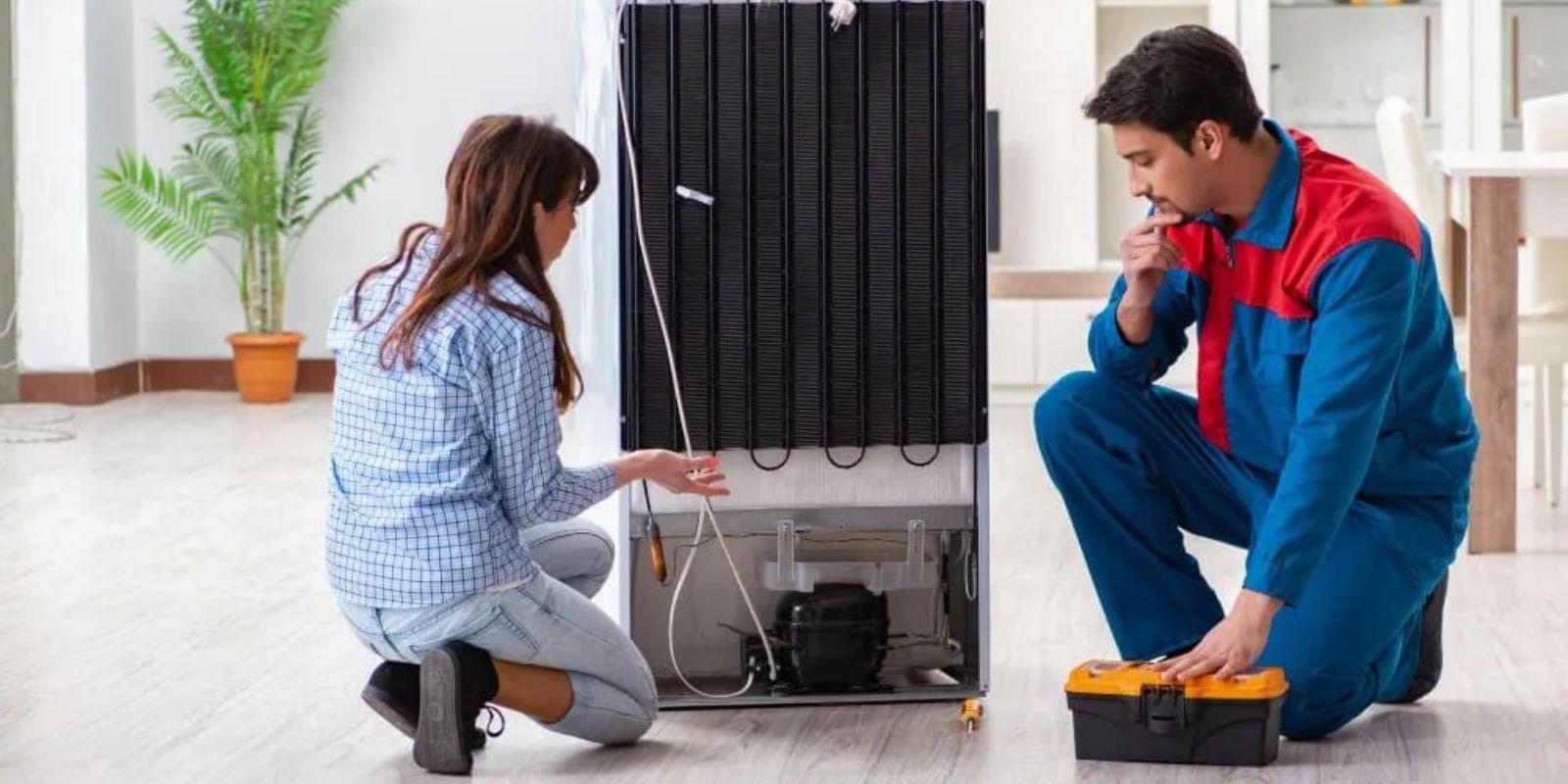
When your fridge is not cooling properly, and you have tried all the easy fixes (power, thermostat setting, vent blockages, coil cleanliness), it’s time to seek out a professional diagnosis instead of further guesswork. The more time that goes on without a cooling problem being resolved, the more stress it puts on the rest of the system – and a simple, inexpensive fix can turn into a complete compressor failure or unit replacement.
The trained Carlos Refrigeration can accurately and efficiently diagnose cooling problems, determining the true cause of the problem, not merely guessing, so you can count on a proper repair the first time, and your refrigerator will get back to steadily holding your food safe and fresh.